304 North Cardinal

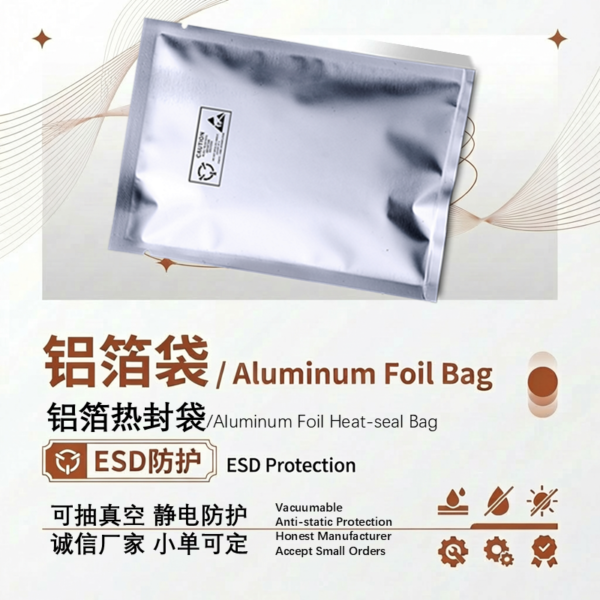
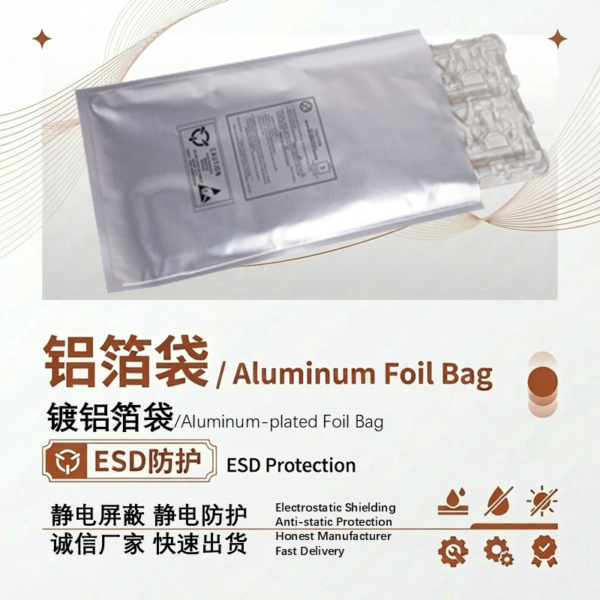
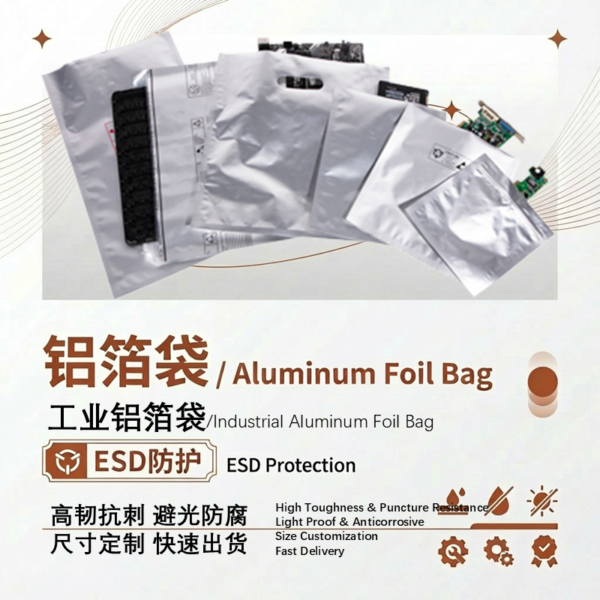
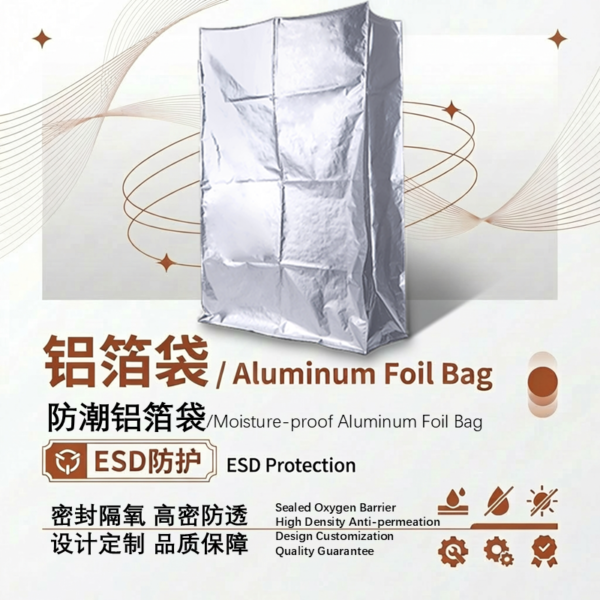
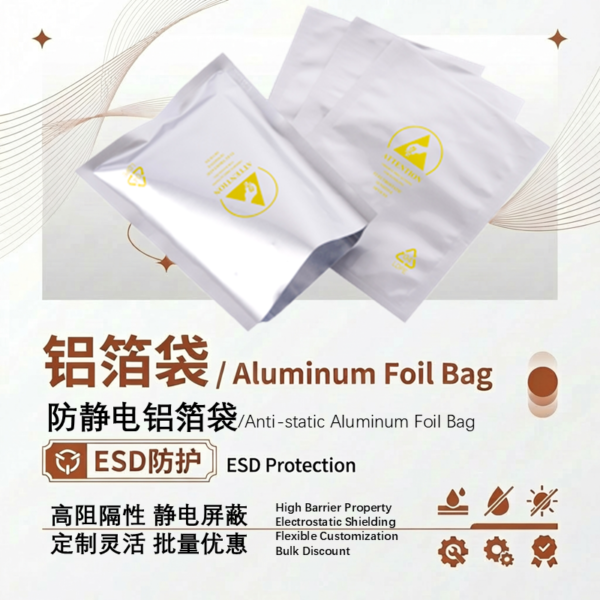
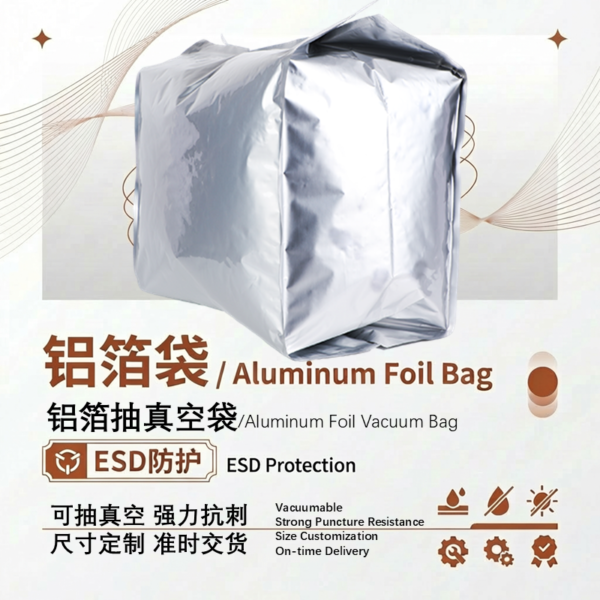
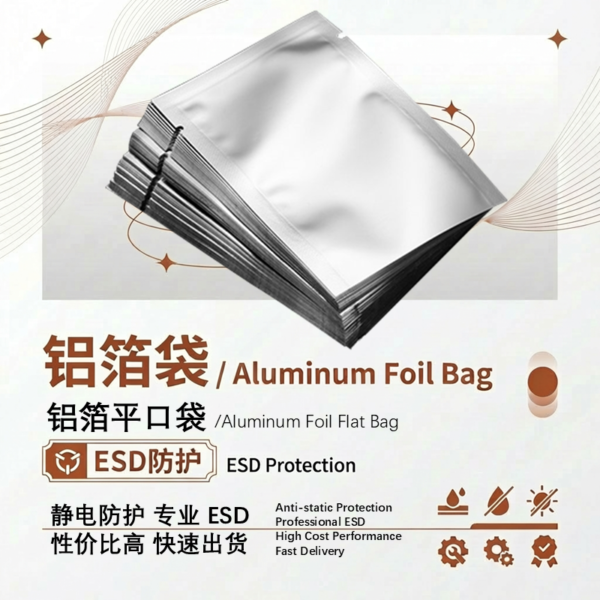
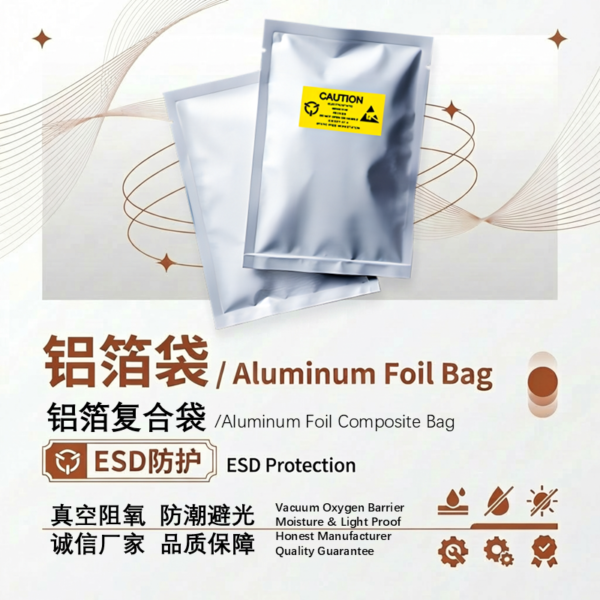
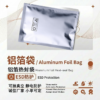
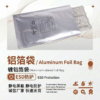
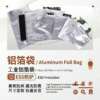
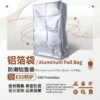
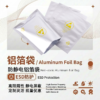
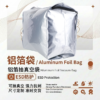
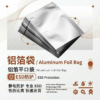
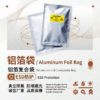
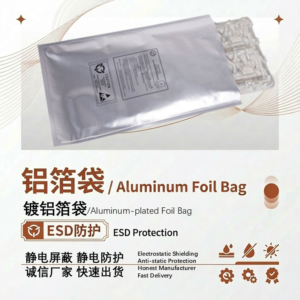
Aluminum Foil Heat-seal Bag | 3-Layer PET/AL/PE Construction
¥0.10
Product Specifications
| Standard Surface Resistance | 10^8 – 10^11 Ω/sq |
| Standard Thickness | 0.10mm / 0.14mm (customizable) |
| Product Color | Silver (customizable) |
| Custom Printing | 1-8 colors, customizable |
| Custom Size | Min width: unlimited, Max width: 1500mm |
| Material | PET/AL/PE multi-layer composite |
| Barrier Properties | Excellent oxygen & moisture barrier |
| Ideal For | Electronic components, PCB, IC Chip, Semiconductor |
库存 100000 件 ( 可以延迟交货 )
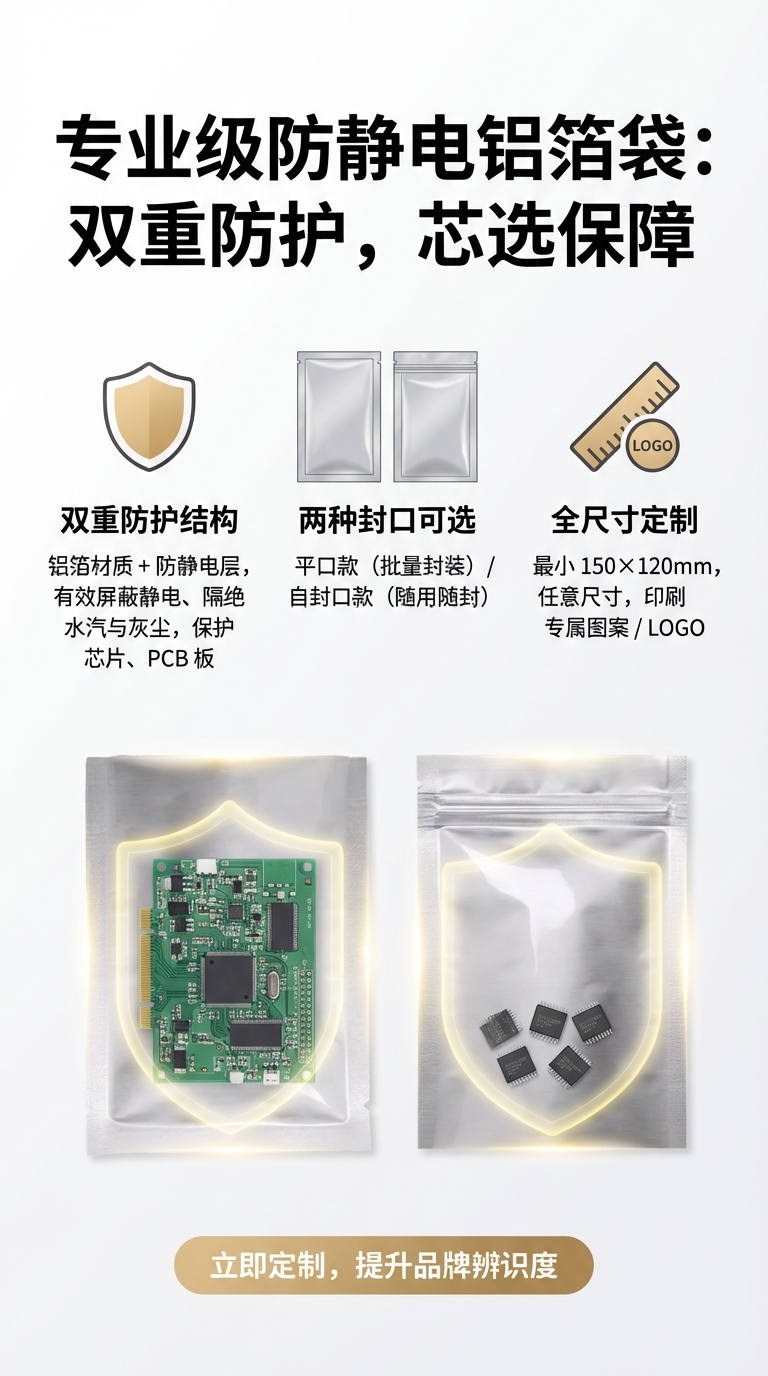
Our aluminum foil heat-seal bag is a high-performance packaging solution designed for electronics manufacturers, industrial component suppliers, and procurement teams across Southeast Asia who require a reliable, airtight seal with superior barrier protection.
Manufactured using a multi-layer laminate structure — outer PET film, aluminum foil core, and inner heat-sealable PE layer — these bags deliver exceptional protection against moisture, oxygen, light, and electrostatic discharge. The heat-seal closure creates a hermetic, tamper-evident seal that maintains product integrity from factory floor to end destination.
What Is an Aluminum Foil Heat-Seal Bag?
An aluminum foil heat seal bag is a flexible packaging pouch made from laminated aluminum foil and polymer films, sealed using heat to create an airtight, moisture-proof enclosure. The heat-seal process fuses the inner PE layer at temperatures between 130–160°C, creating a strong, leak-proof bond that cannot be resealed without specialized equipment — providing tamper evidence and long-term protection.
Unlike zip-lock or press-seal alternatives, heat seal bags offer the highest level of barrier integrity, making them the standard choice for sensitive electronics, precision components, and products requiring extended shelf life during storage or international shipping.
Key Features
Hermetic Heat-Seal Closure The heat-seal process creates an airtight bond along the bag opening, eliminating moisture ingress, gas exchange, and contamination. For electronics and moisture-sensitive components, this level of seal integrity is essential — particularly for products classified under JEDEC J-STD-033 moisture sensitivity levels.
Multi-layer Construction
- Outer PET film: puncture resistance, printable surface
- Aluminum foil core: near-zero moisture and oxygen transmission
- Inner PE layer: heat-sealable, direct contact with components
Superior Moisture Barrier
The aluminum foil layer delivers a near-zero Water Vapor Transmission Rate (WVTR), blocking moisture ingress even in Southeast Asia’s high-humidity tropical environment. This is critical for preventing corrosion, oxidation, and the “popcorn effect” in surface-mount devices during reflow soldering.
ESD Protection
The metallic aluminum layer provides electrostatic shielding, protecting sensitive electronic components from external electrostatic fields during storage and transit. Combined with an anti-static inner PE layer, these bags offer dual-mode ESD protection.
Custom Sizes Available
Available in fully custom dimensions to match your specific component or product requirements. Specify length, width, and material thickness — we manufacture to your exact specification.
Small Batch Orders Welcome
We support small batch custom orders, giving businesses of all sizes access to professional-grade heat seal packaging without requiring large minimum order quantities.
Applications
Electronics Component Packaging IC chips, semiconductors, PCBs, hard drives, and sensors require both moisture and ESD protection during storage and international shipping. Aluminum foil heat seal bags address both requirements in a single packaging solution.
Moisture-Sensitive Devices (MSDs) Surface-mount components classified at MSL 2 and above under JEDEC J-STD-033 must be stored in sealed moisture barrier packaging. Heat seal bags, combined with desiccant, maintain relative humidity below 10% inside the package — preventing moisture-related damage during reflow soldering.
Industrial Component Packaging Precision-engineered metal parts, optical instruments, sensors, and measurement equipment benefit from the corrosion protection provided by aluminum foil heat seal bags during long-term warehouse storage and sea freight shipping.
Long-term Storage When properly heat-sealed and combined with desiccant, aluminum foil bags can maintain product integrity for extended periods — often several years — making them ideal for spare parts inventory, safety stock, and export shipments with long transit times.
Specification Guide
| Parameter | Standard Range |
| Material | PET / AL / PE (3-layer) |
| Total Thickness | 80–150 microns |
| Foil Layer | 7–12 microns |
| WVTR | < 0.01 g/m²/24hr |
| Seal Temperature | 130–160°C |
| Custom Sizes | Yes — all dimensions |
| Custom Printing | Yes — logo, part number, handling marks |
Frequently Asked Questions
Q: What is the difference between a heat seal bag and a zip-lock bag? Heat seal bags are permanently sealed using heat after loading, creating an airtight, hermetic closure. Zip-lock bags can be opened and resealed repeatedly but do not achieve the same level of barrier integrity. For moisture-sensitive electronics and long-term storage, heat seal bags are the correct specification.
Q: What heat sealer do I need to use these bags? Standard impulse heat sealers are compatible with our aluminum foil heat seal bags. For vacuum packaging, a vacuum sealer with a heat seal function is required. Seal bar temperature should be set between 130–160°C depending on bag thickness.
Q: Can these bags be used with desiccant for moisture-sensitive devices? Yes. Including a silica gel desiccant packet inside the sealed bag is recommended for components with MSL 2 and above classifications. The combination of heat seal bag plus desiccant maintains internal relative humidity below 10%.
Q: Are custom sizes available? Yes. All bag dimensions can be custom manufactured. Provide your required length, width, and material thickness and we will produce bags to your exact specification.
Q: Do these bags provide ESD protection? Yes. The aluminum foil layer provides electrostatic shielding, and bags with anti-static inner PE layers prevent direct charge transfer to component surfaces. For critical ESD applications, confirm the inner layer specification when ordering.
Q: What is the minimum order quantity? We support small batch custom orders. Contact us to discuss your volume requirements.
Contact Mavis for custom sizing, material specifications, and bulk pricing: mavisv.com/contact
评价
目前还没有评价