Aluminum foil vacuum bags provide the highest level of moisture protection available in flexible packaging for electronics storage. But for high-value components requiring extended storage periods, ocean freight with long transit times, or components with the highest moisture sensitivity classifications, vacuum sealing elevates that protection to its maximum possible level.
This guide explains what aluminum foil vacuum bags are, why vacuum sealing matters for electronics storage, when it is required versus when standard heat sealing is sufficient, and how to use vacuum bags correctly to achieve the protection they are designed to provide.
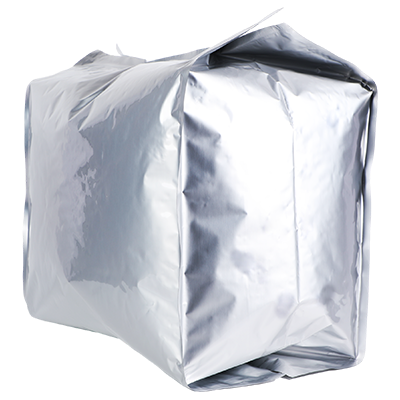
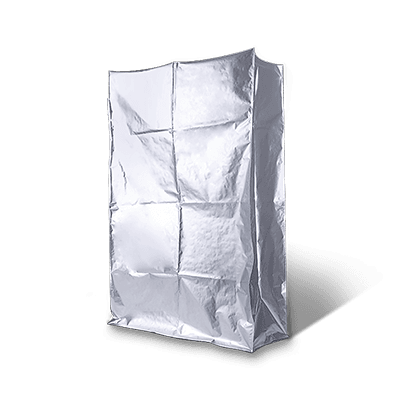
Aluminum Foil Vacuum Bags — When Standard Heat Sealing Is Not Enough
An aluminum foil vacuum bag is an aluminum foil composite bag designed and manufactured to withstand the pressure differential created by vacuum packaging — where air is removed from inside the sealed bag before the opening is heat-sealed closed.
The key manufacturing difference from standard aluminum foil bags is in the laminate construction: vacuum bags require a thicker, more puncture-resistant outer PET layer and a stronger adhesive bond between layers to maintain structural integrity when the internal air pressure drops significantly below atmospheric pressure. Standard bags can collapse, wrinkle, or delaminate under vacuum — vacuum-rated bags maintain their shape and seal integrity.
Why Vacuum Sealing Matters for Electronics
Standard heat sealing creates an airtight seal that prevents moisture from entering the bag through the opening. But the air volume inside a standard sealed bag still contains moisture at whatever relative humidity was present when the bag was sealed — and this residual moisture continues to be available to the packaged component.
Desiccant inside the sealed bag removes this residual moisture over time, but the process depends on the desiccant capacity being sufficient for the air volume and the initial humidity level.
Vacuum sealing removes this variable entirely:
Atmospheric air removed = moisture removed
When air is evacuated from inside the bag before sealing, the residual moisture available to the component typically drops close to zero — regardless of the ambient humidity conditions when the bag was sealed. Combined with the typically near-zero WVTR of the aluminum foil layer that prevents moisture ingress through the film, a vacuum-sealed aluminum foil bag creates the closest practical approximation to a dry, inert storage environment available in flexible packaging.
When Vacuum Sealing Is Required vs Recommended
Required — per JEDEC J-STD-033 dry-pack requirements:
- MSL 3 and above components that have exceeded floor life and require dry packing before next reflow
- Components with known moisture exposure history requiring controlled storage before use
- Any component the manufacturer specifies must be vacuum-packed per their datasheet
Strongly Recommended:
- Ocean freight shipments exceeding 4 weeks transit time from Southeast Asia to destination markets
- Long-term storage exceeding 12 months
- Storage in non-humidity-controlled warehouse environments in Southeast Asia
- High-value components where the cost of moisture damage significantly exceeds the cost of vacuum packaging
Standard Heat Sealing Is Sufficient:
- Short-term storage (under 6 months) in humidity-controlled environments
- MSL 1 and MSL 2 components with adequate desiccant
- Domestic or regional shipments with transit times under 2 weeks
The Correct Vacuum Sealing Process for Electronics
Correct procedure is critical — vacuum sealing done incorrectly can damage components or fail to achieve meaningful moisture protection.
Step 1: Component Preparation Verify components are within their floor life allowance before dry packing. Components that have exceeded floor life require baking per J-STD-033 before being vacuum packed. Sealing components that have already absorbed moisture creates a controlled environment that preserves the existing damage rather than preventing new damage.
Step 2: Load the Bag Place the component in the vacuum bag with appropriate anti-static cushioning if required. Avoid sharp component edges directly contacting the bag interior — these can puncture the foil layer during vacuum application and compromise barrier integrity.
Step 3: Add Desiccant Include a silica gel desiccant packet sized for the bag volume. Even in a vacuum bag, residual moisture exists. Desiccant removes this residual and provides a safety margin if the vacuum seal is imperfect.
Step 4: Add Humidity Indicator Card (HIC) Place a humidity indicator card inside the bag in a position visible through the bag or near the opening for easy reading when the bag is received. The HIC provides visual confirmation at the point of opening that the seal was maintained during storage and transit.
Step 5: Apply Vacuum Insert the open end of the bag into the vacuum sealer. Apply vacuum until the bag collapses firmly around the contents. Most chamber vacuum sealers for electronics use target vacuum levels of 99% or higher. Do not apply so much vacuum pressure that it compresses fragile components — for delicate components, partial vacuum is acceptable.
Step 6: Heat Seal Immediately after vacuum application, apply the heat seal while the vacuum is maintained. The seal must be complete with no gaps or wrinkles — even a small gap will allow air and moisture to re-enter the bag over time, gradually compromising barrier performance.
Step 7: Label Label the sealed bag with component identity, quantity, MSL classification, sealed date, and desiccant type and quantity. JEDEC J-STD-033 specifies the information that must appear on the dry-pack label for MSL-classified components.
Equipment Requirements
Vacuum Sealer Types External vacuum sealers (the bag is placed outside the machine with only the open end inserted) are suitable for lower-volume operations. Chamber vacuum sealers (the entire bag is placed inside a sealed chamber) provide more consistent vacuum levels and are preferred for high-volume or critical applications.
Heat Sealer Temperature Aluminum foil composite bags require heat seal bar temperatures of 130–160°C depending on bag thickness. Verify your heat sealer can achieve and maintain this temperature range consistently — under-temperature sealing creates weak seals that may fail during transit.
Compatibility Verification Not all vacuum bags are compatible with all vacuum sealers. Verify bag thickness and seal layer material are compatible with your sealer before production use. Test with non-critical components before sealing high-value inventory.
Common Mistakes That Compromise Vacuum Bag Performance
Sealing components that have already absorbed moisture Vacuum sealing preserves the current condition of components — it does not remove moisture that has already been absorbed by the component itself. Components with known moisture exposure must be baked before vacuum packing.
Insufficient desiccant capacity The desiccant packet must be sized for the bag internal volume. Under-sized desiccant saturates quickly and loses effectiveness. Follow JEDEC J-STD-033 desiccant sizing guidelines.
Allowing sharp edges to contact the bag PCB edge connectors, component leads, and bracket corners can puncture the aluminum foil layer during vacuum application when the bag collapses around the contents. Use foam cushioning or ensure components are oriented with sharp edges away from direct bag contact.
Not verifying the HIC at opening If the humidity indicator card shows elevated humidity at the point of opening, the seal was compromised during storage or transit and the components require baking before use. Skipping HIC verification means this information is lost.
What vacuum sealer equipment is compatible with aluminum foil vacuum bags?
Standard impulse heat sealers with vacuum attachment and chamber vacuum sealers are both compatible. Confirm bag thickness with your equipment’s specifications — thicker foil bags may require higher sealer bar temperatures or longer dwell times for reliable sealing.
How long can components be stored in a vacuum-sealed aluminum foil bag?
When vacuum-sealed with appropriate desiccant, most electronic components can maintain moisture protection for 12–24 months. The limiting factor is typically desiccant saturation over time, not bag barrier performance. For storage beyond 12 months, consider resealing with fresh desiccant at the 12-month mark.
Can vacuum-sealed bags be resealed after opening?
No. Once opened, the bag cannot be reliably resealed to the same standard without a vacuum sealer and fresh desiccant. Plan bag sizes to match your consumption quantities so that a single bag is fully consumed at each opening.
Is vacuum sealing always necessary for aluminum foil bags?
No. Standard heat sealing with appropriate desiccant provides excellent moisture protection for most applications. Vacuum sealing provides the highest level of protection and is required for specific JEDEC dry-pack scenarios and recommended for long-term storage or ocean freight. Use vacuum sealing when the application genuinely requires it — not as a default for all packaging.
What is the difference between a vacuum bag and a standard aluminum foil bag?
The primary material difference is in construction robustness — vacuum bags use a heavier-duty laminate structure that maintains integrity under the pressure differential of vacuum application. Standard bags may wrinkle or delaminate under vacuum. In terms of barrier performance when heat-sealed, a properly sealed standard bag and a properly sealed vacuum bag provide similar moisture protection — the vacuum sealing advantage is in eliminating residual internal air moisture.