 01 / 02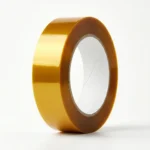

Lithium Battery Polyimide Insulation Tape
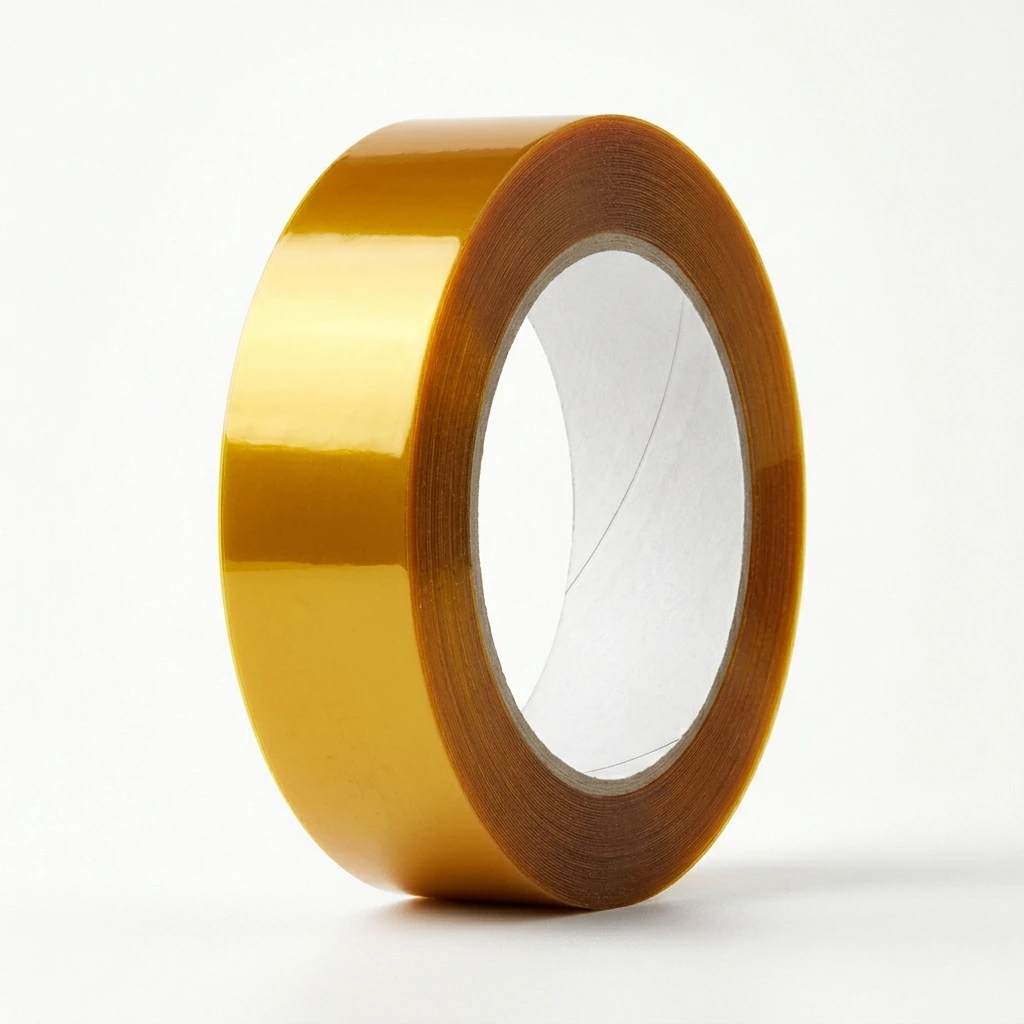
Lithium battery polyimide insulation tape is a thin electrical-insulation material intended for cell, module, and battery-pack assembly. It combines a polyimide film backing with a pressure-sensitive adhesive selected for thermal stability, dielectric separation, and compatibility with compact battery structures. The tape can be slit or die cut for tabs, busbars, cell cans, module frames, BMS areas, and internal wiring where reliable insulation is needed with minimal added thickness.
Key Benefits
- Thin insulation layer: supports compact cell and module designs where available space is limited.
- Thermal stability: suitable grades withstand elevated temperatures encountered during manufacturing and service.
- Electrical isolation: polyimide film provides a durable barrier between conductive parts when properly specified and applied.
- Precision converting: available as narrow rolls, tabs, discs, frames, and drawing-based die-cut parts.
- Process-oriented adhesive options: adhesive systems can be selected around substrate, electrolyte exposure risk, aging, and removal requirements.
Typical Applications
- Prismatic, cylindrical, and pouch-cell tab insulation
- Cell-can and module-structure separation
- Busbar, terminal, and high-voltage connector insulation
- BMS board and sensor-area protection
- Battery-pack wire and cable fixation
- Energy-storage module electrical clearance support
- Temporary process masking during welding or assembly, when validated
Typical Specifications
| Backing | Electrical-grade polyimide film |
| Adhesive | Silicone or acrylic system selected for the application |
| Typical Total Thickness | 0.025 / 0.035 / 0.05 mm and other grade-dependent constructions |
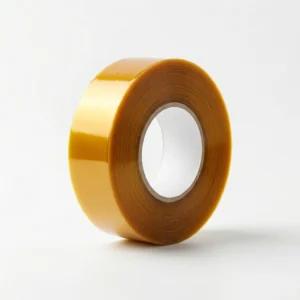
| Color | Amber translucent; alternative constructions subject to requirement |
| Width | Common slit widths from 5 mm; custom slitting and die cuts available |
| Length | 33 m / 66 m and custom roll formats |
| Dielectric Strength | Thickness- and method-dependent; confirmed on the selected grade’s technical data sheet |
| Electrolyte Compatibility | Application-specific; fluid chemistry, concentration, temperature, exposure time, and test method must be defined |
| Temperature Guidance | Final continuous and short-term limits depend on the complete film-and-adhesive construction |
The values above describe common configurations only. Battery suitability, dielectric performance, electrolyte resistance, thermal aging, flame behavior, cleanliness, and dimensional tolerances must be confirmed for the exact quoted grade and final assembly.
Battery Application Selection Guide
Begin with the cell format, nominal and maximum voltage, insulation location, available clearance, target thickness, substrate, application pressure, and thermal history. Identify whether the tape is used as primary insulation, supplemental insulation, abrasion protection, temporary process masking, or component fixation. These functions require different validation criteria.
For areas near electrolyte, provide the electrolyte family and solvents, concentration, exposure temperature, duration, and acceptance criteria. A general statement such as “electrolyte resistant” is not sufficient for production approval because different formulations and accelerated-aging methods can produce different results. Sample testing should include adhesion retention, swelling, dimensional change, dielectric performance, and visual condition after exposure.
Design and Process Considerations
Edges, burrs, weld spatter, compression, and repeated vibration can damage a thin film even when its laboratory breakdown voltage is high. The battery design should control sharp features and provide the required creepage, clearance, overlap, and mechanical protection. Apply tape to clean, dry, compatible surfaces using consistent pressure, and avoid excessive stretch or wrinkles.
For laser welding or other short thermal events, define the distance from the heat source and the actual temperature reaching the tape. “High-temperature tape” does not mean that the adhesive can be placed directly in every weld zone without validation.
Customization and Quality Documentation
Mavis can supply master rolls, precision-slit rolls, kiss-cut parts on liner, individual die cuts, tabs, rings, and frames. Provide a drawing, thickness, adhesive preference, liner, roll direction, pitch, core size, quantity, cleanliness requirement, temperature profile, voltage, and chemical-exposure conditions. Required test reports or material declarations should be listed before quotation so the exact construction can be matched.
Frequently Asked Questions
Is this tape automatically approved for every EV battery?
No. Battery systems differ in voltage, chemistry, thermal design, compression, and safety requirements. The tape must be qualified within the customer’s cell, module, or pack design.
Does it resist lithium battery electrolyte?
Compatible grades can be proposed, but resistance must be verified against the actual electrolyte formulation and exposure method. Ask for the applicable test data and run assembly-level validation.
Can you provide ultra-thin die-cut parts?
Yes. Thin rolls and die-cut insulation components are available, subject to material handling, liner, tolerance, and drawing review.
For general high-temperature masking, see our amber polyimide PCB masking tape. For battery-specific selection, contact Mavis with your cell format and validation requirements.
| Minimum Order | Flexible — contact us with your target quantity for confirmation |
| Sample Order | Available — sample cost refunded on first bulk order |
| Custom Print | Logo, design, and color printing supported (gravure up to 8 colors) |
| Custom Size | Full dimension customization available with no tooling fee (standard construction) |
| Lead Time | Stock sizes: 3–7 days · Custom production: 10–18 working days |
| Packaging | Export carton with inner poly-bag grouping; labeling to buyer spec |
All dimensions are fully customizable. Send your target size and quantity to mavis@mavisv.com — we'll confirm feasibility and pricing within 24 hours.
Product specification sheets are available on request. Email mavis@mavisv.com with your product and application details.
Email mavis@mavisv.com or WhatsApp +86 186 6215 2620 with your dimensions and quantity. We respond within 24 hours.